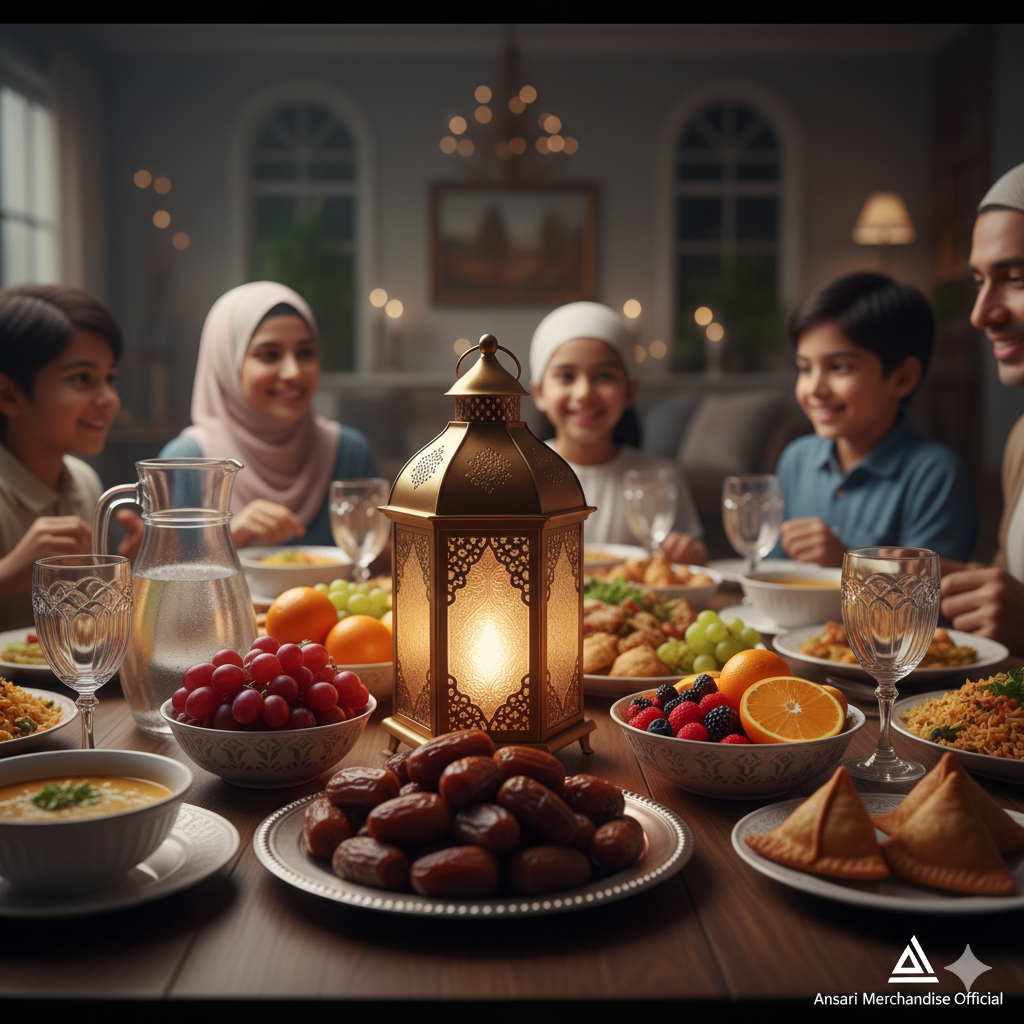

Ramadan: The True Meaning, Purpose, and Spiritual Power of Fasting
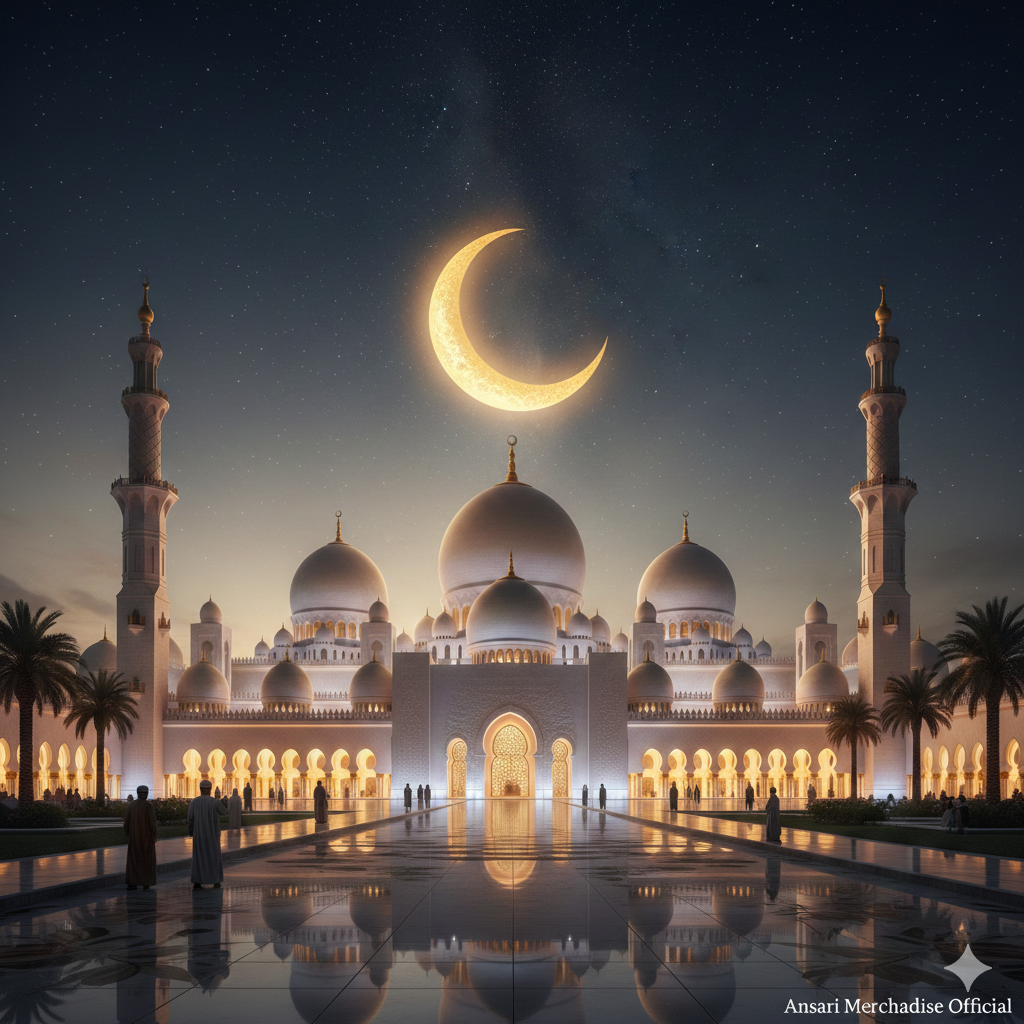
Ramadan is not just a month of hunger and thirst. It is a sacred season of spiritual purification, self-discipline, and deep connection with Allah (SWT). For Muslims around the world, Ramadan is the most blessed month of the Islamic calendar—filled with mercy, forgiveness, and countless opportunities to improve both our character and our relationship with our Creator.
In the understanding of Ahl-e-Sunnat wal Jama’at, Ramadan is a month of transformation. It strengthens faith (Iman), purifies the heart, and trains a believer to stay away from sins—not only during Ramadan, but even after it ends.
What is Ramadan?
Ramadan is the ninth month of the Islamic lunar calendar, during which fasting becomes obligatory upon Muslims. It is a month of exceptional blessings because it is the month in which the Holy Qur’an was revealed.
Allah says:
“The month of Ramadan in which was revealed the Qur’an, a guidance for mankind and clear proofs of guidance and the criterion.”
(Surah Al-Baqarah 2:185)
This verse clearly shows that Ramadan is not only about fasting—it is about guidance, learning, and returning to the right path.
Why Did Ramadan Begin?
Ramadan was not introduced as a tradition without meaning. It was commanded by Allah (SWT) with a powerful purpose: to develop Taqwa (God-consciousness).
Allah says:
“O you who believe! Fasting has been prescribed upon you as it was prescribed upon those before you, so that you may attain Taqwa.”
(Surah Al-Baqarah 2:183)
This verse explains the true reason behind fasting: to build a strong awareness of Allah in our hearts.
The Main Perspective of Ramadan: Training, Not Torture
Many people assume Ramadan is simply about staying hungry. But hunger is not the goal—it is the method. The purpose of fasting is to control the nafs (desires) and strengthen the soul.
Ramadan trains us to control:
desires and temptations
anger and arrogance
harmful habits
time-wasting activities
negative speech
In simple words: Ramadan helps a Muslim become a better human being.
Fasting is Not Only About Food and Water
The Prophet Muhammad (ﷺ) taught that fasting is incomplete if a person avoids food but continues sinful behavior.
He (ﷺ) said:
“Whoever does not give up false speech and acting upon it, Allah has no need of him leaving his food and drink.”
(Sahih al-Bukhari)
This Hadith is a reminder that the real fasting is the fasting of the tongue, eyes, heart, and character.
Ramadan Teaches Us to Leave Sins and Bad Habits
The beauty of Ramadan is that it creates a spiritual environment where a believer feels motivated to change.
During Ramadan:
hearts become softer
faith becomes stronger
the desire to pray increases
people feel ashamed of committing sins
the soul feels peace and clarity
Ramadan is the perfect time to quit bad habits such as:
smoking
lying and cheating
backbiting and gossip
watching inappropriate content
wasting time
anger and abusive language
The goal is not to avoid sins for only 30 days, but to build a lifestyle of purity that continues all year.
Ramadan is the Month of Qur’an
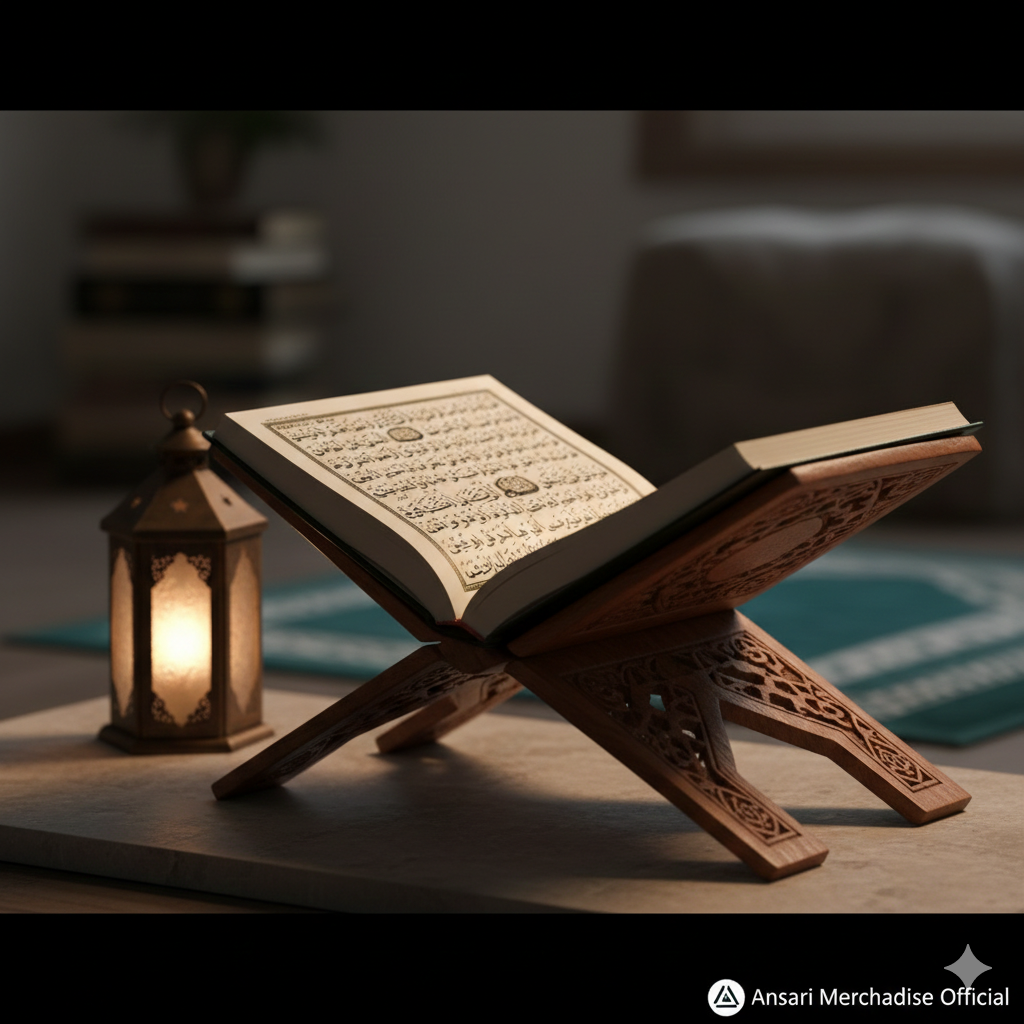
Ramadan is deeply connected to the Qur’an. Ahl-e-Sunnat wal Jama’at emphasizes the love and respect of the Qur’an, and encourages Muslims to recite it regularly in this blessed month.
Even if you cannot read much, reading daily with sincerity brings immense reward.
Ramadan is the Month of Mercy and Forgiveness
One of the greatest blessings of Ramadan is Allah’s forgiveness. The Prophet Muhammad (ﷺ) said:
“Whoever fasts Ramadan with faith and seeking reward, his previous sins will be forgiven.”
(Sahih al-Bukhari, Sahih Muslim)
This is why Ramadan is called the month of hope—because Allah opens the doors of mercy for those who return sincerely
Fasting Builds Patience and Self-Control
Fasting is a powerful training for patience. When a believer controls hunger, thirst, and desires for the sake of Allah, the soul becomes stronger.
The Prophet (ﷺ) said:
“Fasting is a shield.”
(Sahih al-Bukhari)
Just like a shield protects a warrior, fasting protects a believer from sins and harmful desires.
Ramadan Improves Character and Manners
The real sign of a successful Ramadan is not only increased worship, but improved behavior.
Ramadan should improve:
how we treat our parents
how we speak to people
how we behave in business
how we control anger
how we avoid jealousy and arrogance
True worship always reflects in good character.
Ramadan Teaches Charity and Compassion
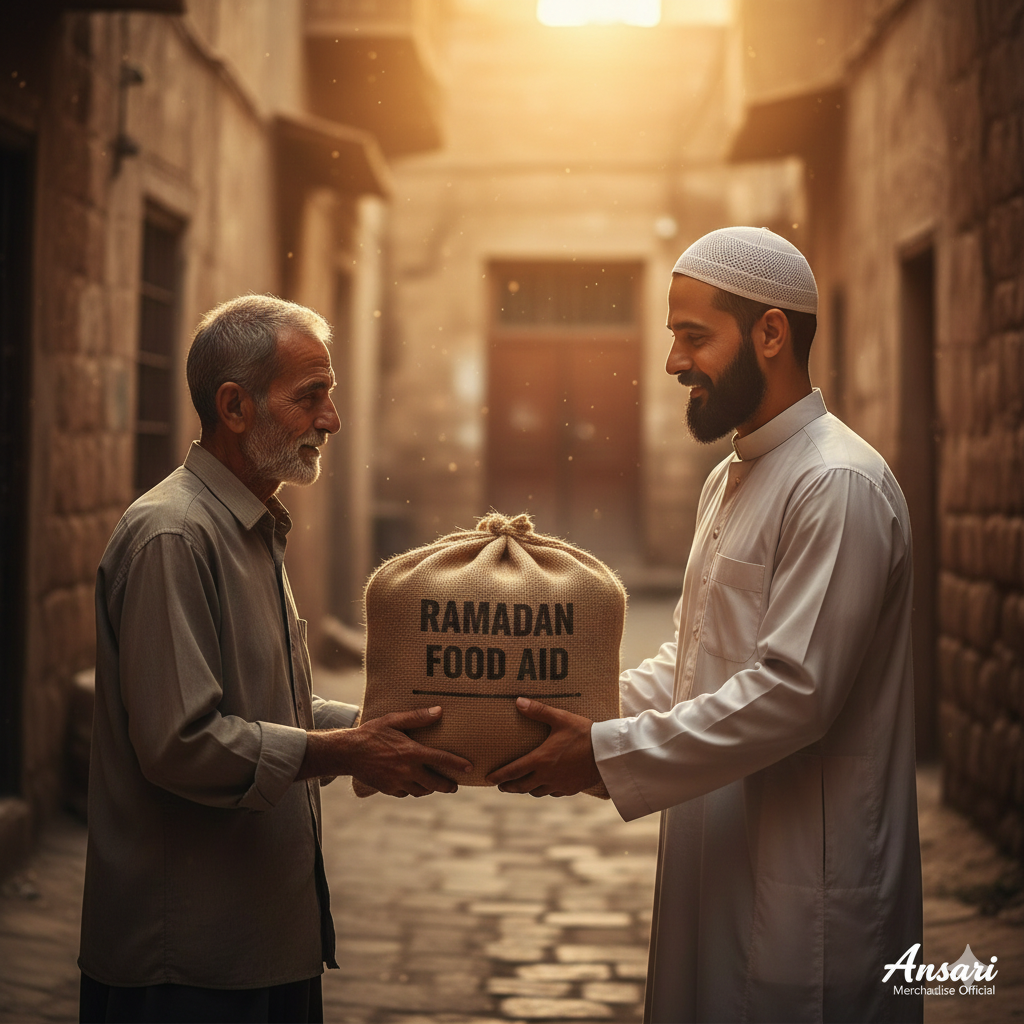
Ramadan makes us feel hunger so we understand the pain of those who struggle daily. That is why charity is highly encouraged in this month.
Helping the poor, feeding someone at iftar, and supporting people in need are among the most beloved deeds.
The True Success of Ramadan is After Ramadan
This is the most important message.
Many people become religious during Ramadan but return to old sins after Eid. But Ramadan is meant to train the believer so that the discipline remains even after the month ends.
Ramadan is a spiritual school. If we do not carry its lessons forward, we lose its real benefit.
How to Make Ramadan Life-Changing
To truly benefit from Ramadan:
1. Pray Salah on Time
Salah is the foundation of faith.
2. Avoid Major Sins
Especially lying, backbiting, and haram content.
3. Read Qur’an Daily
Consistency matters more than quantity.
4. Make Dua
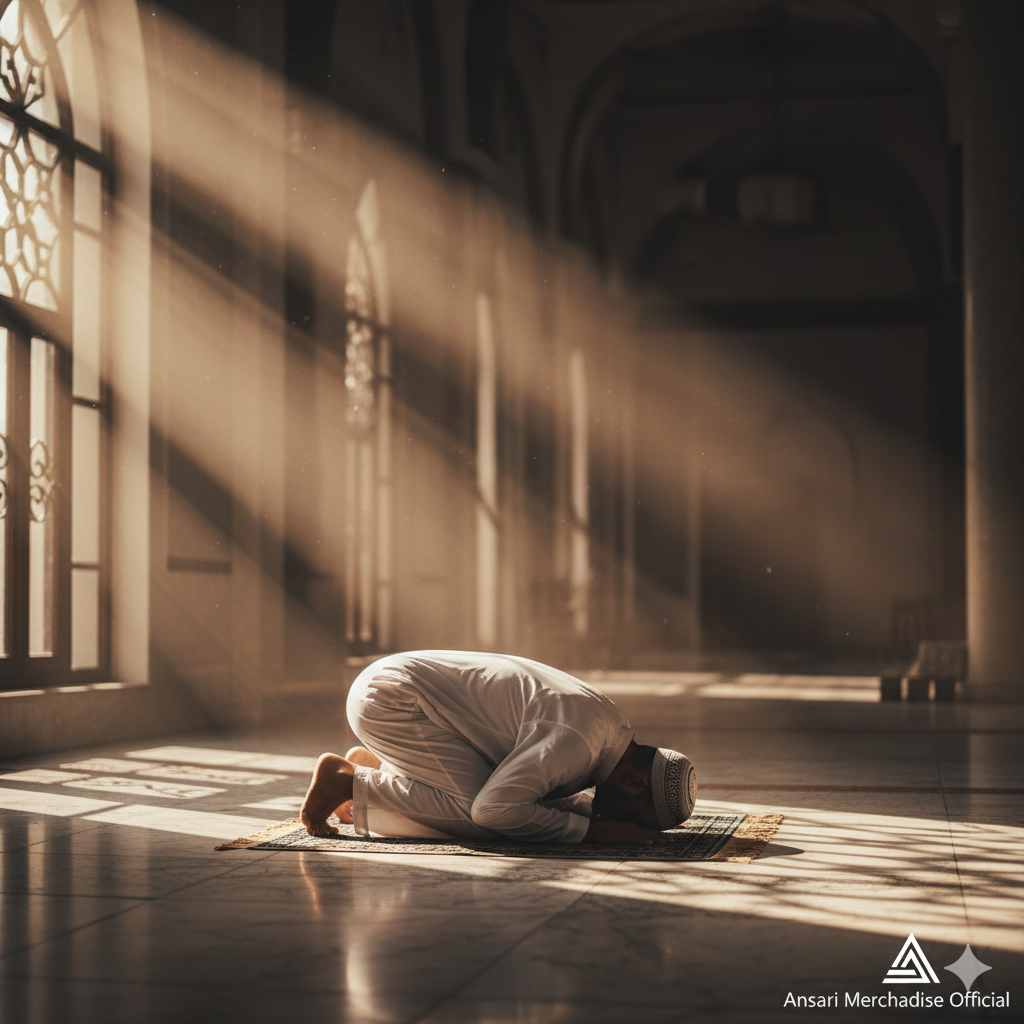
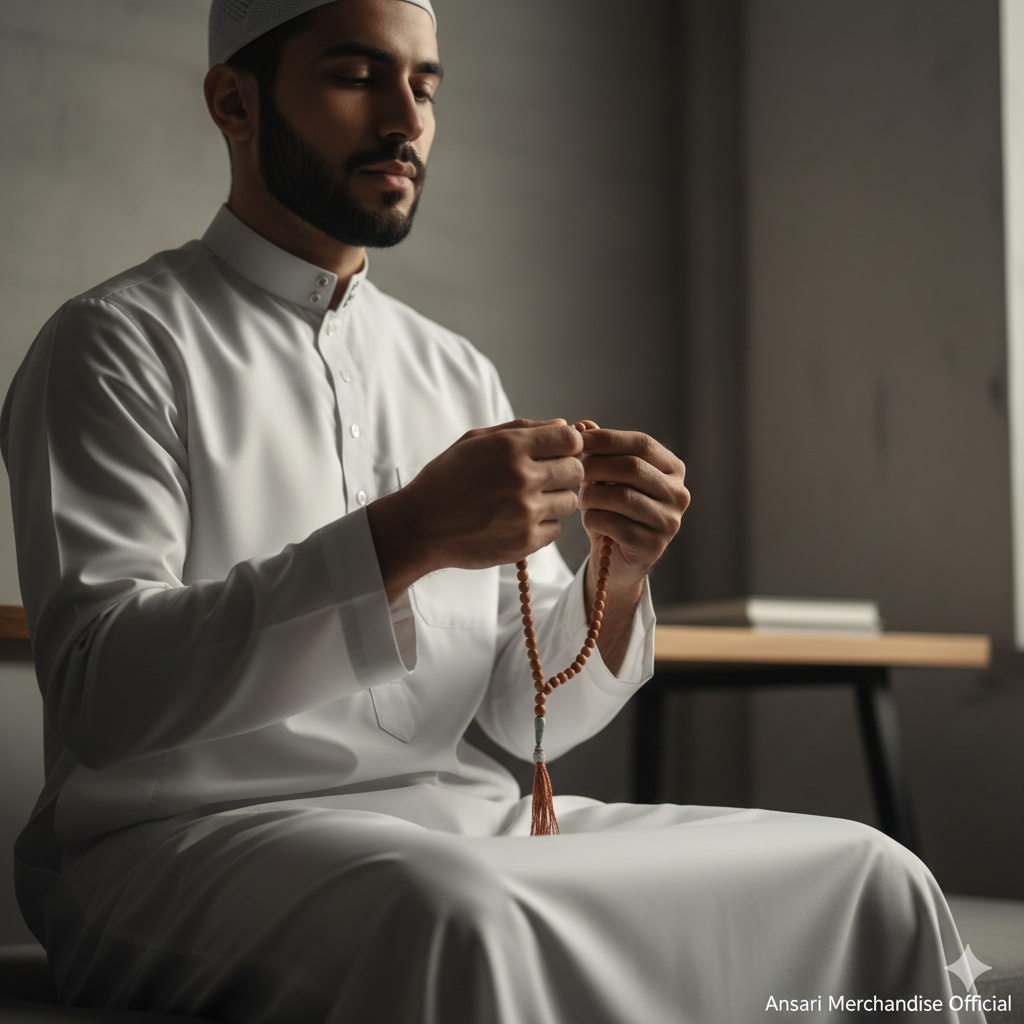
Especially before iftar and in the last ten nights.
5. Improve Your Manners
Soft speech and patience are signs of true fasting.
6. Give Charity
Even small daily charity brings huge blessings.
Final Thoughts
Ramadan is Allah’s mercy upon the Ummah. It is not only a month of fasting—it is a month of becoming a better Muslim, a better person, and a better servant of Allah.
The greatest achievement of Ramadan is not hunger, but Taqwa, self-control, purification, and spiritual strength.
May Allah (SWT) accept our fasting, prayers, and good deeds, and allow us to remain righteous even after Ramadan. Ameen.
Ramdan kareem
Roman Hindi/Urdu
Ramzan: Roze Ka Asli Maqsad, Haqeeqat Aur Ruhani Taqat
Ramzan sirf bhooka aur pyasa rehne ka mahina nahi hai. Yeh ek mubarak mahina hai jisme insaan apne nafs ko control karna seekhta hai, apne gunahon se bachne ki practice karta hai aur Allah (SWT) ke qareeb hota hai. Ramzan Islami calendar ka sab se fazilat wala mahina hai, jisme rehmat, barkat aur maghfirat ka silsila hota hai.
Ahl-e-Sunnat wal Jama’at ke aqeede ke mutabiq, Ramzan ek aisa mahina hai jo insaan ki zindagi badal deta hai. Yeh Iman ko mazboot karta hai, dil ko saaf karta hai aur hamein gunahon se bachne ki training deta hai—sirf Ramzan me nahi, balke Ramzan ke baad bhi.
Ramzan Kya Hai?
Ramzan Islami lunar calendar ka 9wa mahina hai jisme Musalmano par roza farz kiya gaya. Yeh mahina is liye bhi bohot khas hai kyunki isi mahine me Qur’an Majeed nazil hua.
Allah Ta’ala farmata hai:
“Ramzan ka mahina wo hai jisme Qur’an nazil kiya gaya jo insano ke liye hidayat hai.”
(Surah Al-Baqarah 2:185)
Is ayat se pata chalta hai ke Ramzan sirf roza ka mahina nahi, balke hidayat aur Qur’an se jurnay ka mahina hai.
Ramzan Kyun Shuru Hua?
Ramzan koi sirf riwayat ya tradition nahi hai. Allah Ta’ala ne roza ek khaas maqsad ke liye farz kiya hai: Taqwa paida karne ke liye.
Allah Ta’ala farmata hai:
“Roza tum par farz kiya gaya taake tum taqwa ikhtiyar karo.”
(Surah Al-Baqarah 2:183)
Taqwa ka matlab hai Allah se darna aur har waqt Allah ki nazar ka ehsaas rakhna.
Ramzan Ka Main Perspective: Training, Na Ke Sirf Bhooka Rehna
Log samajhte hain Ramzan sirf bhook aur pyas ka naam hai. Lekin bhook maqsad nahi, balke ek tareeqa hai. Ramzan hamein nafs par control sikhata hai.
Ramzan hamein training deta hai:
apni khwahishat ko control karne ki
gusse ko control karne ki
buri aadat chhorne ki
waqt zaya na karne ki
zuban ko saaf rakhne ki
Ramzan insaan ko behtar Musalman aur behtar insan banata hai.
Roza Sirf Khana Peena Chhorne Ka Naam Nahi
Agar koi roza rakhe lekin jhoot bole, gaali de, gheebat kare, ya haram cheeze dekhe, to roza ka asal maqsad poora nahi hota.
Nabi Kareem (ﷺ) ne farmaya:
“Jo jhoot bolna aur bure kaam chhor na de, Allah ko uske bhooka pyasa rehne ki zarurat nahi.”
(Sahih al-Bukhari)
Is Hadith se pata chalta hai ke roza zuban, aankhon aur dil ka bhi hota hai.
Ramzan Hamein Gunahon Se Bachna Sikhata Hai
Ramzan me ek aisa mahaul ban jata hai jisme insaan khud ko badalne ki koshish karta hai.
Ramzan me:
dil narm hota hai
iman mazboot hota hai
namaz ka shoq badhta hai
gunah karne me sharm mehsoos hoti hai
rooh ko sukoon milta hai
Ramzan buri aadat chhorne ka best time hai, jaise:
smoking
gheebat
jhoot
haram videos dekhna
waqt zaya karna
gussa aur bad-akhlaqi
Ramzan ka maqsad yeh hai ke hum sirf 30 din nahi, balke hamesha gunahon se bachein.
Ramzan Qur’an Ka Mahina Hai
Ramzan Qur’an se jurnay ka mahina hai. Qur’an ki tilawat, samajh aur us par amal karna Ramzan ki rooh hai.
Roz thoda thoda Qur’an parhna bhi bohot barkat ka sabab banta hai
Ramzan Rehmat Aur Maghfirat Ka Mahina Hai
Ramzan Allah ki rehmat ka darwaza khol deta hai. Nabi Kareem (ﷺ) ne farmaya:
“Jo iman ke sath roza rakhe, uske pichle gunah maaf kar diye jate hain.”
(Bukhari, Muslim)
Ramzan ummeed ka mahina hai.
Roza Sabr Aur Self-Control Paida Karta Hai
Roza sabr sikhata hai. Jab insaan apni bhook aur pyas Allah ke liye bardasht karta hai to uski rooh mazboot ho jati hai.
Nabi (ﷺ) ne farmaya:
“Roza ek dhal hai.”
(Sahih al-Bukhari)
Dhal jaise jang me bachati hai, waise hi roza gunahon se bachata hai..
Ramzan Akhlaq Aur Character Sudharta Hai
Ramzan ka asal asar insan ke behavior me nazar aana chahiye.
Ramzan hamein sikhaata hai:
parents ka adab
logo se narmi se baat
business me imandari
gusse ko control
hasad aur takabbur se bachna
Ramzan Sadqa Aur Insaniyat Ka Mahina Hai
Ramzan hamein gareebo ka dard mehsoos karwata hai. Isi liye sadqa aur zakat ka ajar bohot zyada hota hai.
Iftar karwana aur kisi zaruratmand ki madad karna bohot bada sawab hai.
Ramzan Ki Asal Kamiyabi Ramzan Ke Baad Hai
Yeh sab se important baat hai.
Aksar log Ramzan me nek ban jate hain lekin Eid ke baad phir gunahon me wapas chale jate hain. Ramzan hamein training deta hai taake Ramzan ke baad bhi hum gunahon se bachein.
Ramzan ek ruhani school hai. Agar humne iski training zindagi me apply na ki to asal faida miss ho jata hai
Ramzan Ko Life-Changing Kaise Banayein?
Agar tum chahte ho Ramzan tumhari zindagi badal de to:
Namaz waqt par parho
Jhoot, gheebat aur haram se bacho
Roz Qur’an parho
Dua karo, khaas taur par iftar se pehle
Akhlaq acha karo
Sadqa do, chahe thoda hi sahi
Final Message
Ramzan Allah ki rehmat ka tohfa hai. Yeh sirf roza ka mahina nahi, balke apni zindagi sudharne ka mahina hai.
Ramzan ka asal maqsad bhook nahi, balke Taqwa, self-control, gunahon se bachna aur dil ka saaf hona hai.
Allah Ta’ala hamare roze aur ibadat qubool farmaye aur hamein Ramzan ke baad bhi nek rehne ki taufeeq ata farmaye. Ameen.