How to Protect Yourself From Online Scams (Complete Guide)
Online shopping, UPI payments, banking apps, and social media have made life easier—but they have also increased the risk of online fraud. Every day, thousands of people lose money because of scammers who use fake calls, fake websites, and fake payment links.

What is an Online Scam?
An online scam is when someone uses the internet to trick people into stealing money, bank details, OTPs, or hacking accounts. The main strategy scammers use is creating panic and forcing you to act quickly.
✅ Common Types of Online Scams
1) OTP Scam: Scammers call saying your KYC needs an update or your bank account will be blocked. They ask for your OTP.
2) Fake Customer Care Scam: Fake numbers on Google ask you to install AnyDesk or TeamViewer to access your phone.

3) UPI Collect Request Scam: Scammers send a “collect request” saying it is for a refund. Accepting it sends your money.
4) Fake Shopping Website Scam: Expensive products at extremely cheap prices. Once you pay, the website disappears.
5) Social Media Giveaway Scam: Fake pages claim you won prizes and send links to steal your personal data.
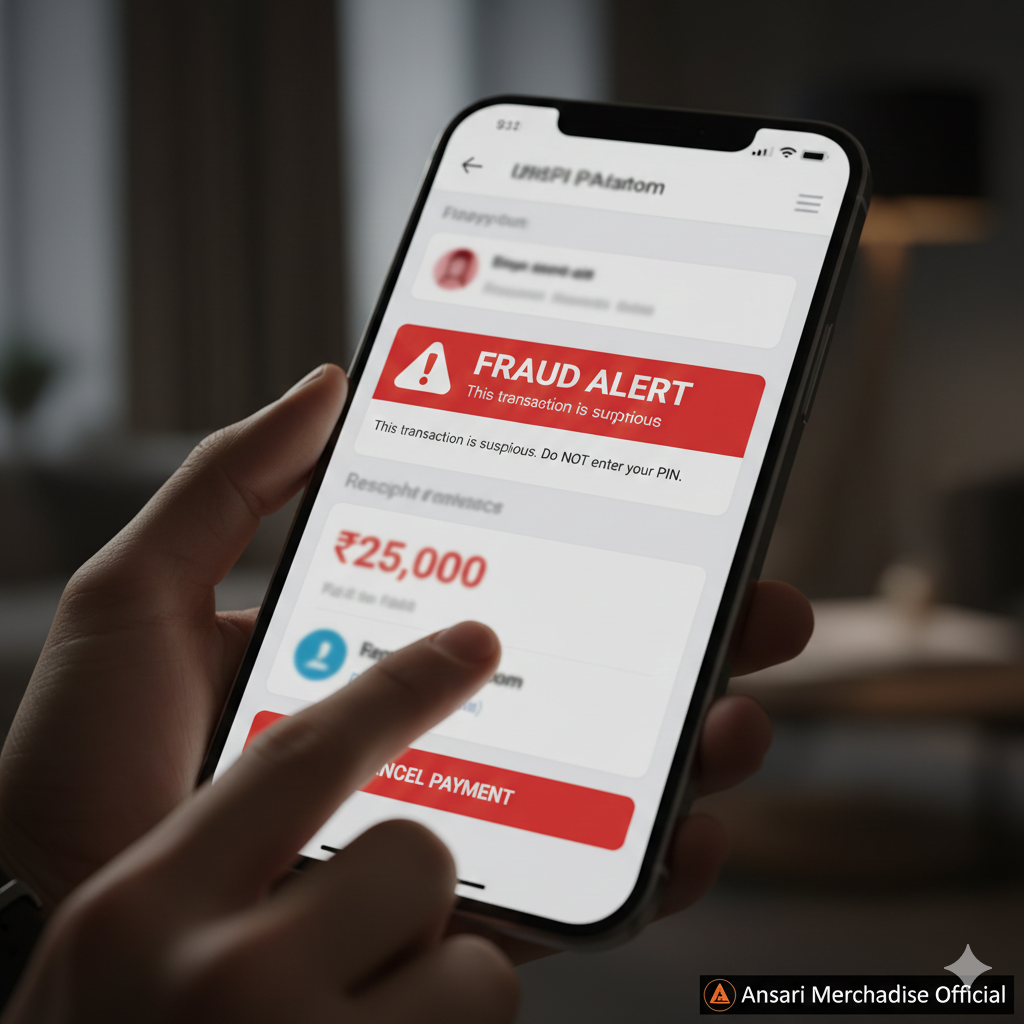
6) Fake Job Scam: Promise work-from-home jobs but ask for registration fees or deposits.
7) Loan App Scam: Fake apps steal contacts and photos to blackmail victims.
8) SIM Swap Scam: Scammers get a duplicate SIM and your OTP goes to them. Signs: SIM suddenly stops working.
9) QR Code Scam: Scammers ask you to scan a QR code to "receive" money.
10) Phishing Link Scam: Fake links that look like real bank websites to steal login credentials.
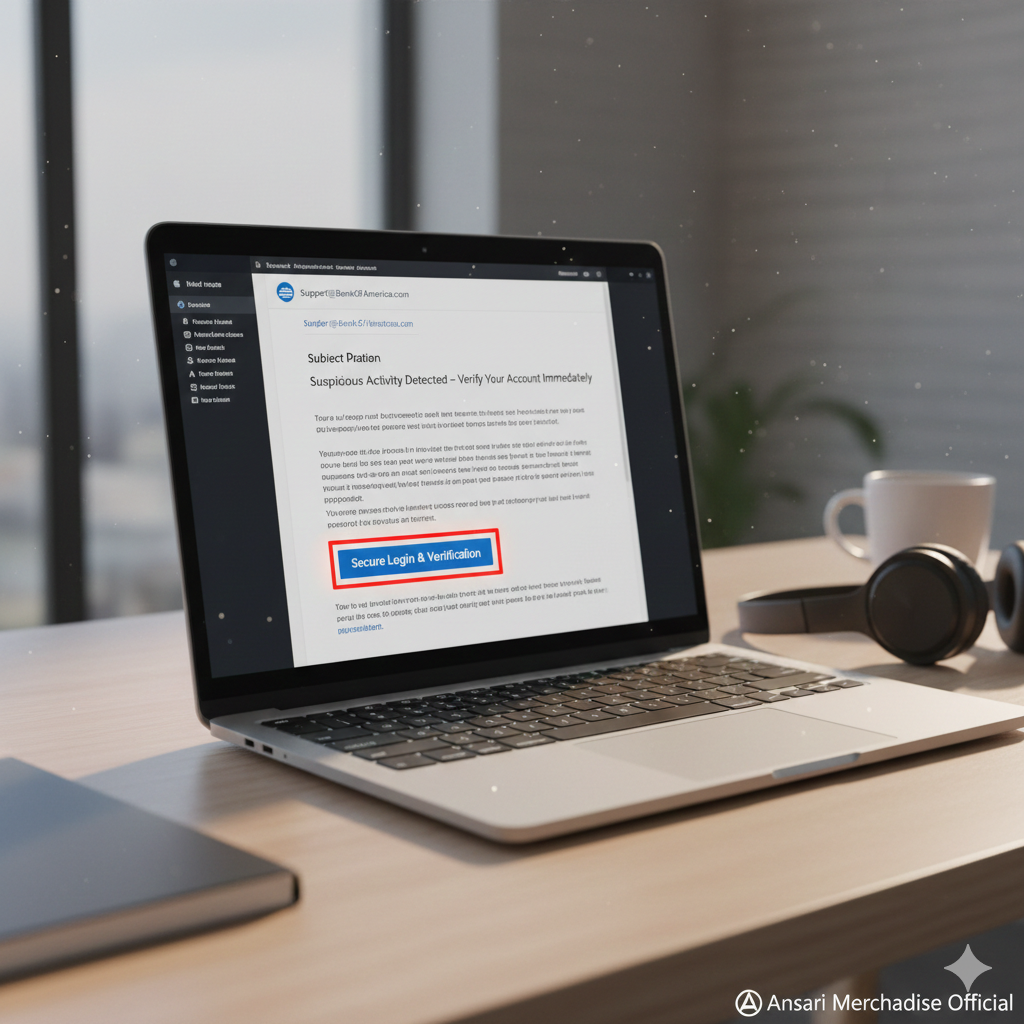
🛡️ Best Safety Tips
- Never share OTP, PIN, or passwords.
- Use only trusted shopping websites.
- Enable 2-factor authentication.
- Keep bank alerts active.
- Avoid public WiFi for banking.
🚨 What to Do If You Get Scammed?
✅ Call 1930 (India Cyber Crime Helpline) immediately.
✅ Report on cybercrime.gov.in.
✅ Inform your bank and freeze your UPI/account.

Online Scam Se Kaise Bachein? (Complete Guide)
Aaj ke time me online shopping, UPI payment, aur social media ka use bahut badh gaya hai. Jahan internet ne life easy banayi hai, wahi fraud ka risk bhi badh gaya hai.
Online Scam Kya Hota Hai?
Online scam ka matlab hota hai internet ke through kisi person ko dhoka dekar uska paise, bank details ya OTP nikal lena. Scammer aapko psychologically confuse karte hain.
✅ Online Scam Ke Common Types
1) OTP Scam: Scammer call karke KYC update ya cashback ka lalach dete hain.
2) Fake Customer Care Scam: Google se fake numbers utha kar log AnyDesk install karwa lete hain.
3) UPI Collect Request Scam: Refund ke naam par request bhejte hain. Accept karte hi paise kat jate hain.
4) Fake Shopping Website Scam: iPhone ₹5000 me dikha kar payment le kar website gayab ho jati hai.
🛡️ Online Scam Se Bachne Ke Tips
- OTP/PIN kisi ko mat do.
- Verified websites se hi shopping karo.
- Bank SMS/Email alerts on rakho.
- Strong password aur 2FA use karo.
🚨 Agar Scam Ho Jaye To Kya Karein?
✅ 1930 par turant call karein.
✅ cybercrime.gov.in par complaint karein.
✅ Bank ko inform karke account freeze karwayein.