How Silk is Made? (Complete Process from Silkworm to Fabric)
Silk (Resham) is one of the most luxurious and premium fabrics in the world. It is famous for its natural shine, smooth texture, and royal feel. Silk has been used for centuries in traditional and modern fashion, especially in India, where it is highly valued for weddings and festivals.
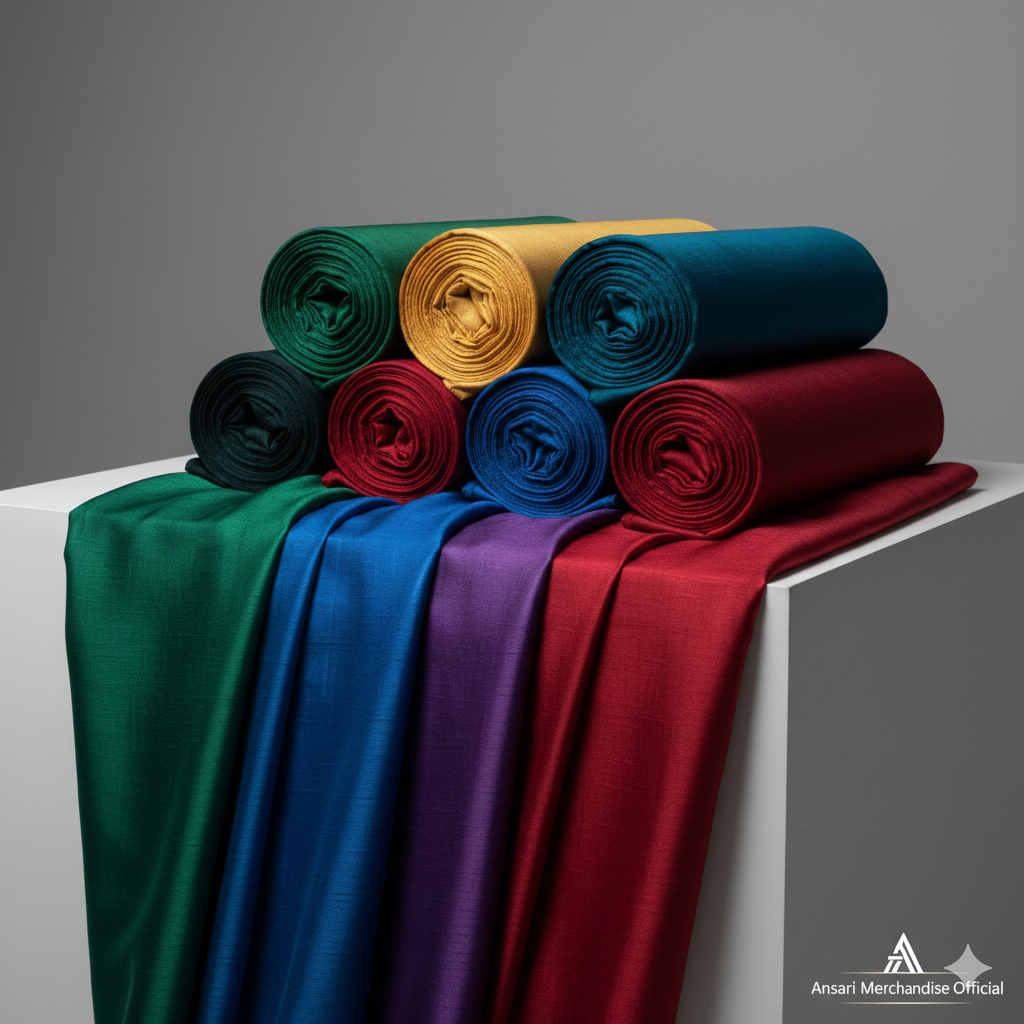
1. What is Silk?
Silk is a natural protein fiber obtained mainly from the cocoon of the silkworm. The most common silkworm used for commercial silk production is Bombyx mori (Mulberry silkworm).
2. Step-by-Step Process of Silk Production
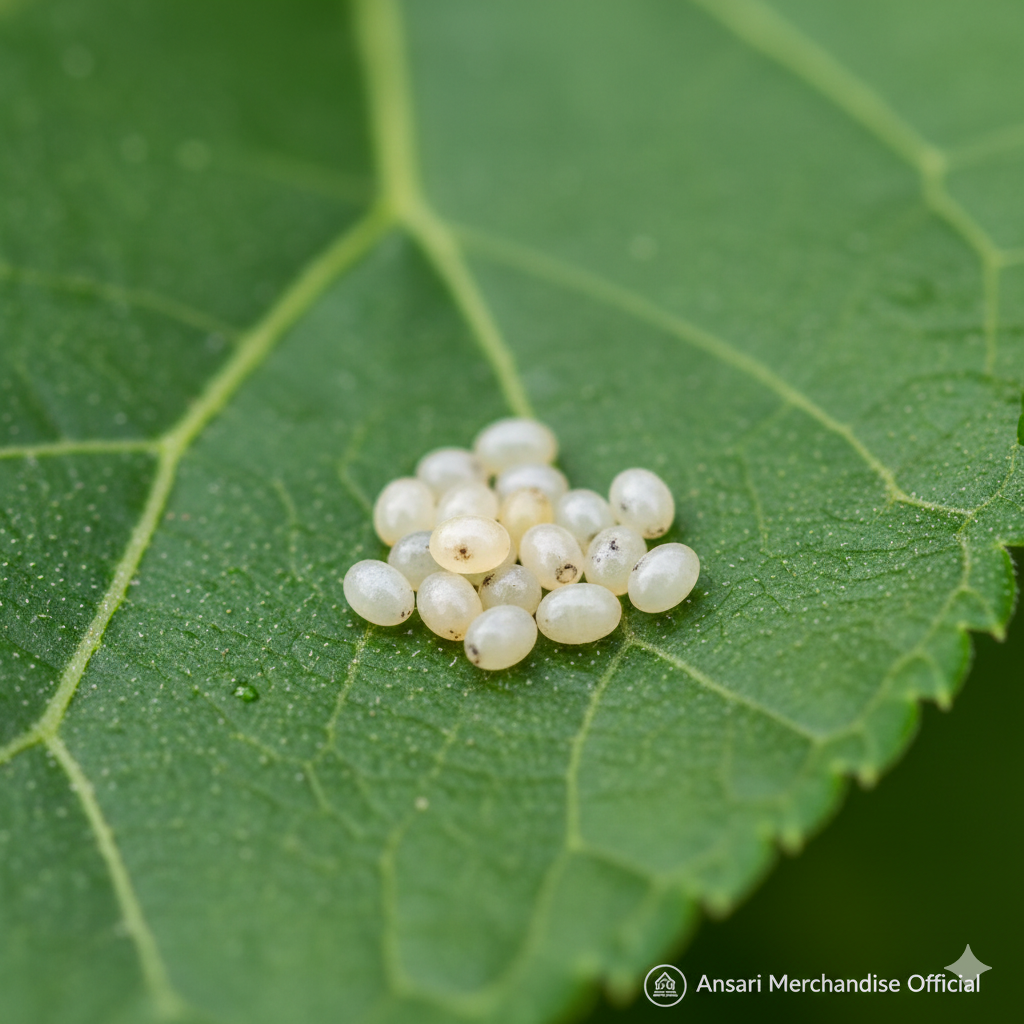
Step 1: Silkworm Egg Production
The silk journey begins with silkworm eggs. A female silk moth lays around 300 to 500 eggs.
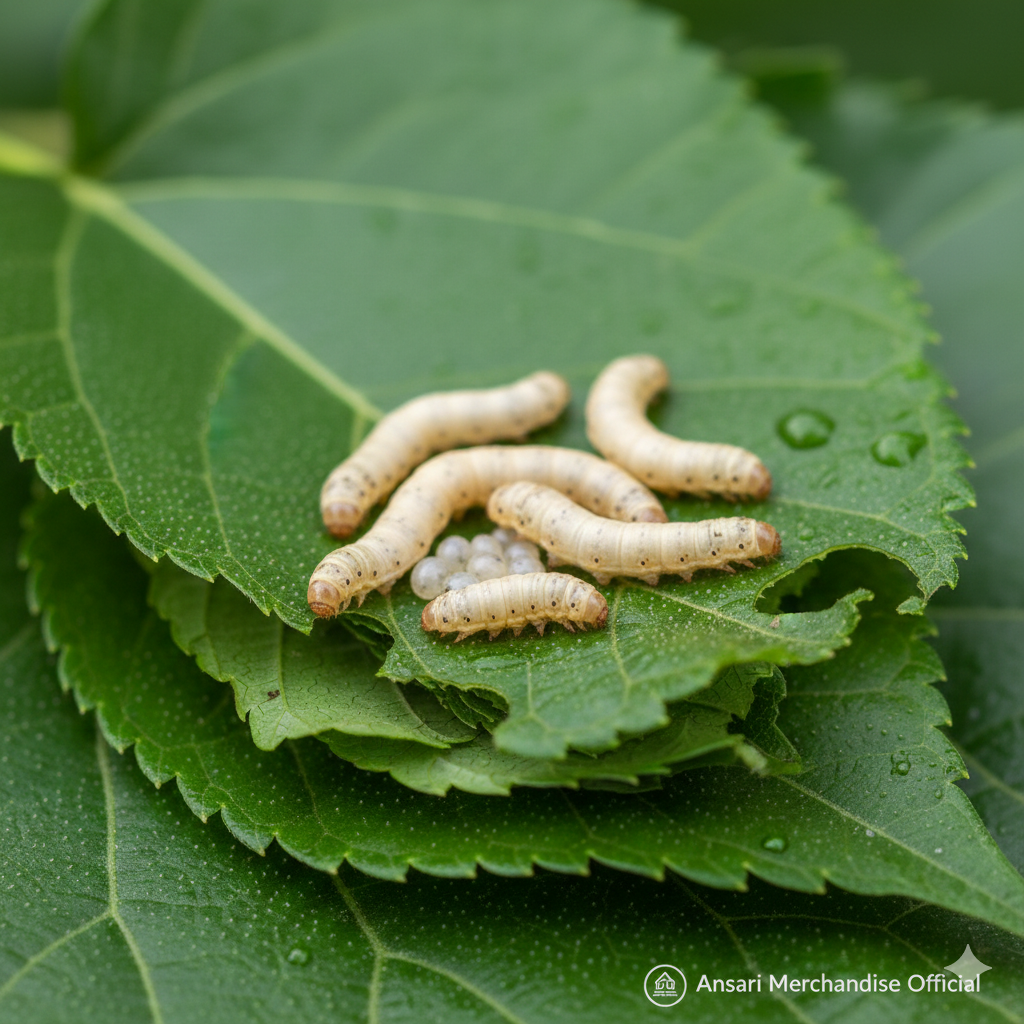
Step 2: Silkworm Larva (Caterpillar) Stage
Silkworms mostly eat only Mulberry leaves. During this stage, the silkworm sheds its skin multiple times, called molting.
Step 3: Cocoon Formation
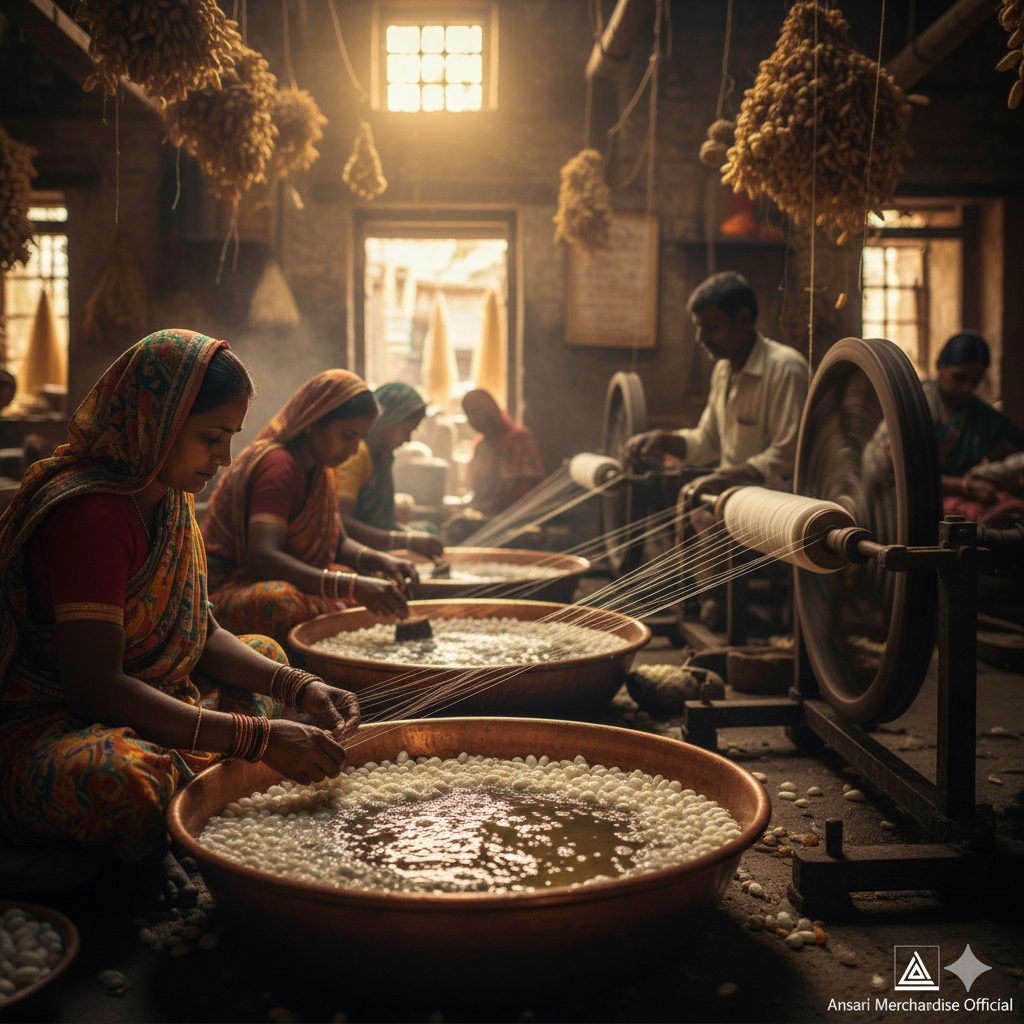
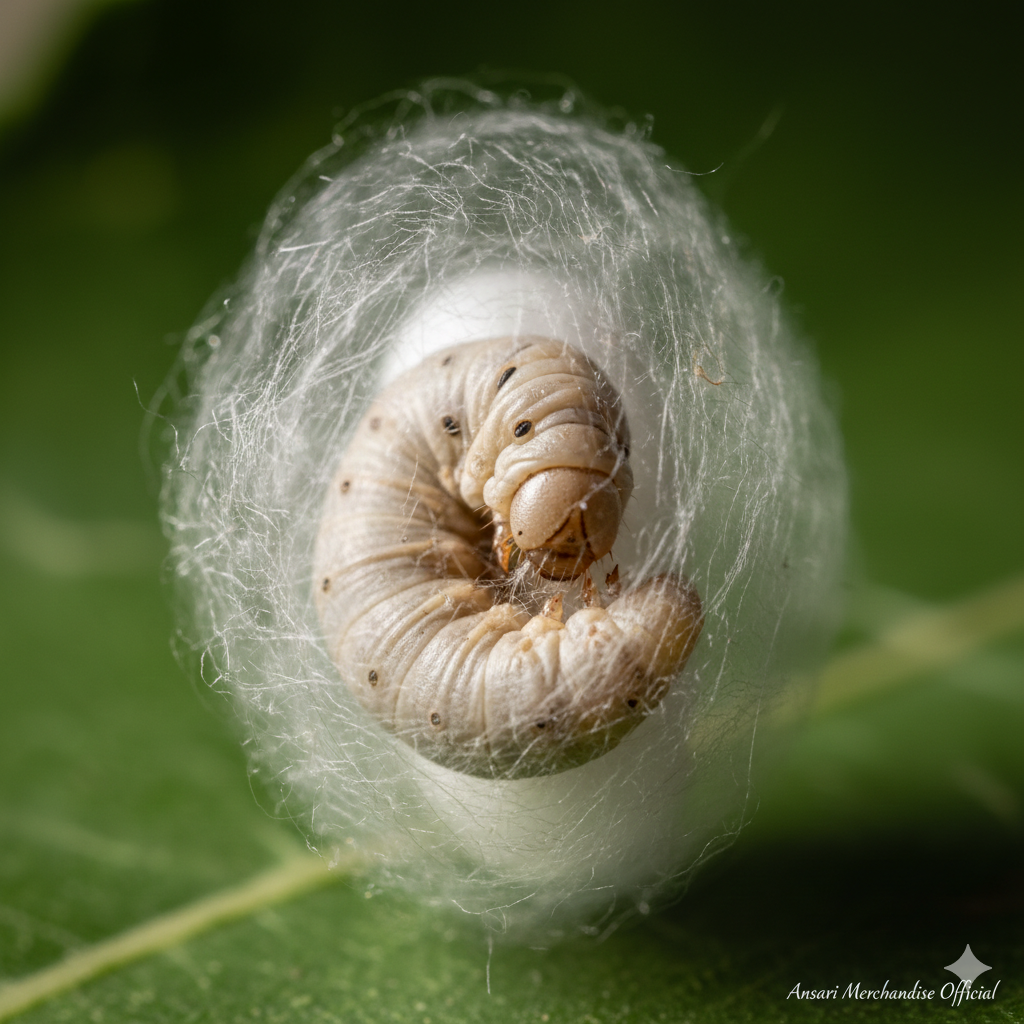
The silkworm spins a cocoon using a sticky fluid that turns into silk thread. One cocoon can contain a filament of 600 to 1000 meters long.
Step 4 & 5: Harvesting and Stifling
To keep the silk thread unbroken, the pupa inside is killed using heat (boiling or steaming). This process is called stifling.
Step 6 & 7: Boiling and Reeling
Cocoons are boiled to soften the gum (Sericin). Then, 5 to 10 filaments are reeled together to form a strong thread called Raw Silk.
Step 8 & 9: Spinning and Dyeing
Silk is naturally white. It is dyed in rich, premium colors before or after weaving.
3. Weaving and Finishing
Once yarn is ready, it is woven into fabrics like Banarasi, Satin, or Chiffon silk. Finally, it reaches the market as sarees, kurtas, and luxury shirts.
4. Why Silk is Expensive?
Silk production is slow, requires controlled farming, skilled labor, and thousands of cocoons are needed for just a small amount of fabric.
Resham Kaise Banta Hai? (Silk Banane ka Pura Process)
Resham (Silk) duniya ke sabse premium aur luxurious kapdo me se ek maana jata hai. Resham apni natural chamak aur royal look ke liye famous hai. India me iska use khas kar shadiyo me kiya jata hai.
1. Resham Kya Hota Hai?
Resham ek natural protein fiber hai jo silkworm (resham ka keeda) se milta hai. Commercial silk ke liye Mulberry silkworm ka use hota hai.
2. Resham Banane ka Step-by-Step Process
Step 1: Resham Keede ke Ande
Female moth 300 se 500 ande deti hai jo proper temperature me hatch hote hain.
Step 2: Larva Stage (Feeding)
Silkworm sirf Shahtoot (Mulberry) ke patte khata hai aur tezi se grow karta hai.
Step 3: Cocoon (Kosh) Banana
Keeda apne glands se sticky liquid nikal kar ek cocoon banata hai. Ek cocoon me 600-1000 meter tak lamba thread hota hai.
Step 4 & 5: Harvesting aur Stifling
Unbroken silk thread ke liye pupa ko heat (boiling/steaming) se kill kiya jata hai taaki thread na tute.
3. Weaving aur Market Supply
Yarn ready hone ke baad loom par Banarasi ya Mulberry silk kapda banaya jata hai. Phir quality check ke baad ye sarees aur luxury shirts ke liye market jata hai.